Dedicated to Autism in the United States

regulation

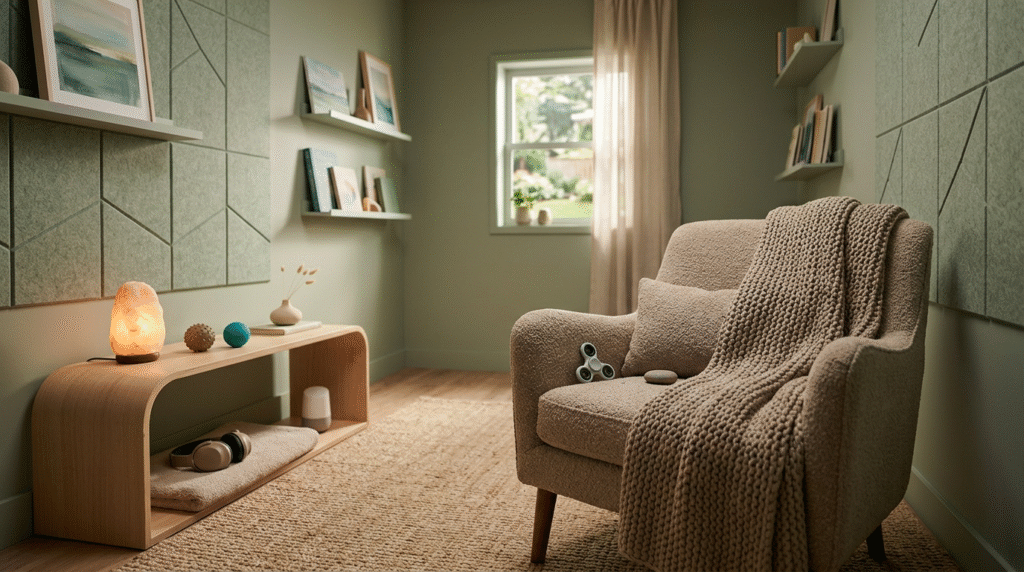
Autism Co-Occurring Conditions: Enhancing Sensory-Friendly Homes and Routines

Many autistic individuals navigate additional neurodevelopmental and mental health conditions. Understand how these co-occurring conditions influence sensory experiences and daily routines, and discover strategies to create a more supportive, sensory-friendly environment at home.

Autism Co-Occurring Conditions: Enhancing Sensory-Friendly Homes and Routines Read More »
Avoiding Common Autism Routine Mistakes for a Truly Sensory-Friendly Home

Building a truly sensory-friendly home and routine for an autistic individual is a journey of understanding and adaptation. This guide explores common pitfalls in support strategies and offers neurodiversity-affirming alternatives to foster autistic joy and regulation.

Avoiding Common Autism Routine Mistakes for a Truly Sensory-Friendly Home Read More »

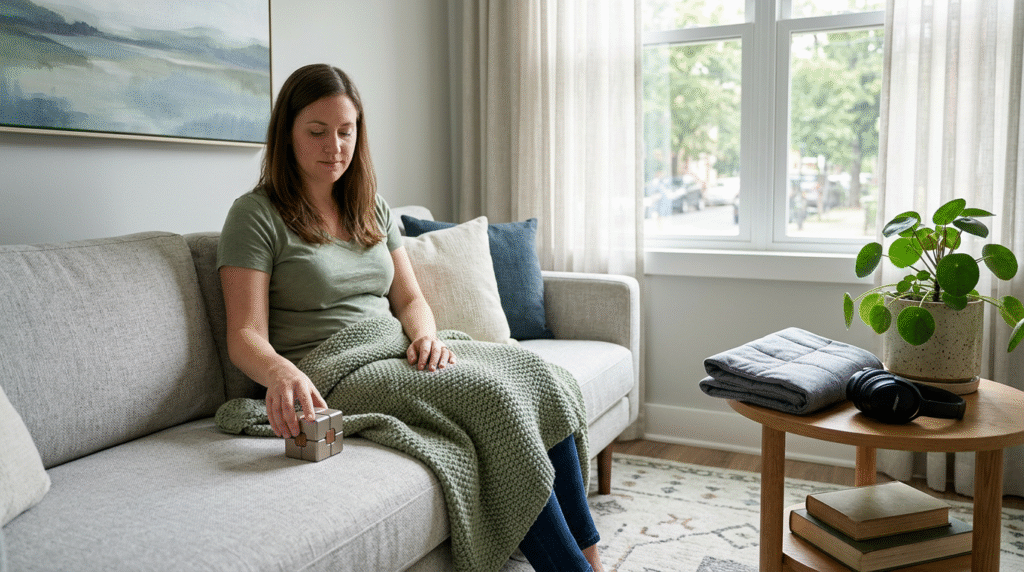
A peaceful, sensory-friendly living room designed for an autistic adult, featuring soft lighting, comfortable textures, and subtle adult sensory items like a weighted lap pad and fidget toy, promoting calm and regulation.

Adult Sensory Integration Disorder: Creating a Sensory-Friendly Home & Routine for Autistic Adults

Practical strategies for autistic adults navigating sensory integration disorder in daily life. Learn to design a sensory-friendly home and routine for enhanced well-being and joy.

Adult Sensory Integration Disorder: Creating a Sensory-Friendly Home & Routine for Autistic Adults Read More »

Autistic Toe Walking: Decoding Sensory-Motor Needs for Joy and Regulation

Toe walking is a common observation in autistic individuals, often linked to unique sensory experiences and motor planning. Discover its connections to sensory processing, when professional guidance is beneficial, and how sensory-friendly routines can support comfort and regulation in daily life.

Autistic Toe Walking: Decoding Sensory-Motor Needs for Joy and Regulation Read More »