The Sensory-Friendly Home & Routine: A Complete Guide

SEO topic cluster: The Sensory-Friendly Home & Routine: A Complete Guide

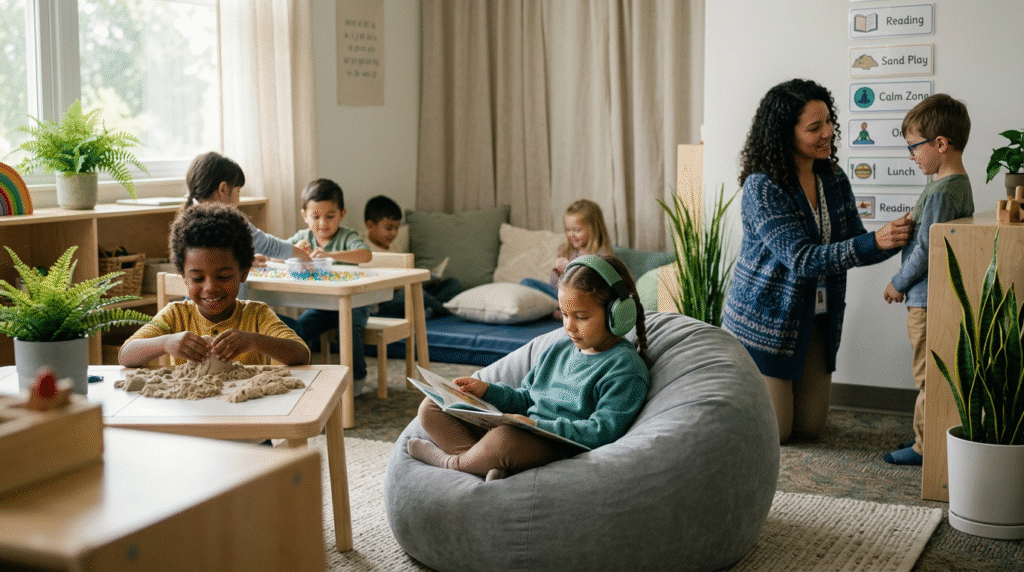
IEP and 504 Plans for Autism: Crafting Sensory-Friendly School Environments for Autistic Joy and Regulation

Individualized Education Programs (IEPs) and 504 Plans are vital tools for ensuring autistic students receive the support they need in school. This guide explores how these plans can be leveraged to create sensory-friendly environments, promoting regulation, learning, and joy for autistic learners.

IEP and 504 Plans for Autism: Crafting Sensory-Friendly School Environments for Autistic Joy and Regulation Read More »

Autism Home Support Services: Low-Risk Sensory Strategies for a Joyful Home

Learn effective, low-risk autism home support strategies to cultivate a sensory-friendly environment. This guide offers practical tips for modifying spaces and routines to enhance comfort, regulation, and joy for autistic individuals, making everyday life more manageable and affirming.

Autism Home Support Services: Low-Risk Sensory Strategies for a Joyful Home Read More »

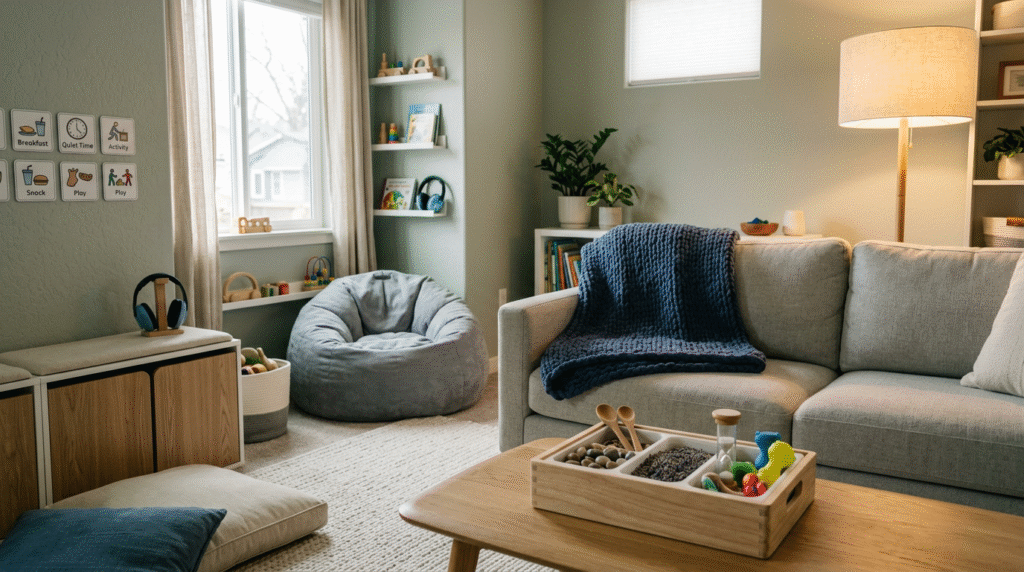
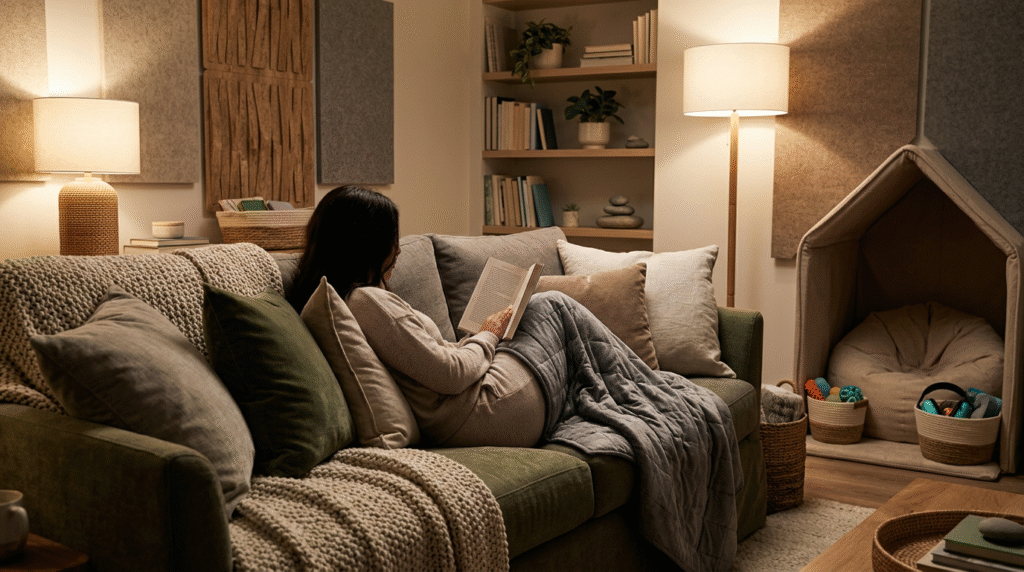
A peaceful living room with soft lighting, a cozy sofa with textured blankets, and a quiet corner, designed to be a sensory friendly home environment.

The Sensory-Friendly Home & Routine: A Complete Guide to Autistic Joy and Regulation

Transform your living space and daily rhythm into a haven of comfort and predictability. This guide explores how a sensory-friendly home and thoughtful routines can significantly enhance regulation and joy for autistic individuals.

The Sensory-Friendly Home & Routine: A Complete Guide to Autistic Joy and Regulation Read More »

Observable Signs of Sensory Processing Differences in Autism: From Recognition to Support

Understanding how autistic individuals experience sensory input differently is key to fostering well-being. This guide helps you identify observable signs of sensory processing differences and outlines supportive next steps.

Observable Signs of Sensory Processing Differences in Autism: From Recognition to Support Read More »